
These guides explain what probate property is, how the process works, what it costs, and how to sell an inherited home in the UK. They are written for executors and beneficiaries who have not done this before, and each one answers a single question directly rather than burying the answer in narrative.
Start here
Where are you right now?
Everyone arrives at a different point. Find the one that fits and follow it through, or read the stages in order.
- You have just been named executor. Begin with the executor checklist and what probate property is.
- Probate is in progress. Read the probate process and what the property costs to hold.
- You are deciding what to do with the property. Take the questionnaire and read the sale routes compared.

Stage 1
Getting started
The first weeks are mostly paperwork. The checklist puts the actions in the order they come up, with the documents each one needs.
Stage 2
During probate
Probate can take a while, and the property keeps costing money while it waits. The calculator shows what inheritance tax the estate may owe.
Stage 3
Deciding what to do
Once you know what the estate is worth and what it costs to hold, the decision is usually about sale route, not whether to sell.
All guides
Guides to every stage
Each guide stands on its own, so you can read them in any order.
 Guide
Can you sell a property before probate is granted?
What you can and cannot do with an inherited property before the grant of probate is issued, and what that means for your timeline.
 Guide
How do the three ways to sell an inherited property compare?
Estate agent, auction or specialist buyer, the advantages and disadvantages of each way to sell an inherited property, compared side by side.
 Guide
How long does selling a probate property take, step by step?
What actually happens between a death and the completed sale of an inherited property, how long each stage takes, and where the delays come from.
 Guide
How much inheritance tax will an estate pay?
Estimate the inheritance tax due on a UK estate using the current thresholds, and see what the figure does and does not account for.
 Guide
What does an executor actually have to do?
Seven phases and around 120 actions for an executor selling an inherited property, with the documents each phase needs and how to know it is done.
 Guide
What does an inherited property actually cost?
The real costs of holding an inherited property during probate, insurance, maintenance, council tax, utilities and the cost of an empty house.
 Guide
What is probate property?
What probate property means, how an inherited home is handled during estate administration, and who is responsible for it.
Articles
Latest articles
The articles are the practical notes alongside the guides: the decisions that come up between a death and a sale, and which of them turn out to be harder to reverse than they look.

Selling
Selling a probate property: why the highest valuation is not always the best outcome
When someone dies leaving a property behind, it will often be one of the most valuable assets in their estate. It can also be the asset that beneficiaries have the strongest views about.

Case studies
Real probate property sales
Real examples show how inherited property decisions unfold in practice, including the ones that went wrong before the family reached us.
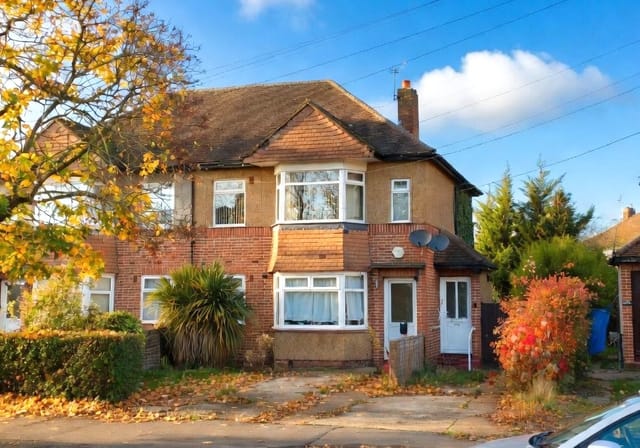
“The beneficiaries were abroad and needed speed and certainty.”
- 15 days
- Completion
- £0
- Fees charged
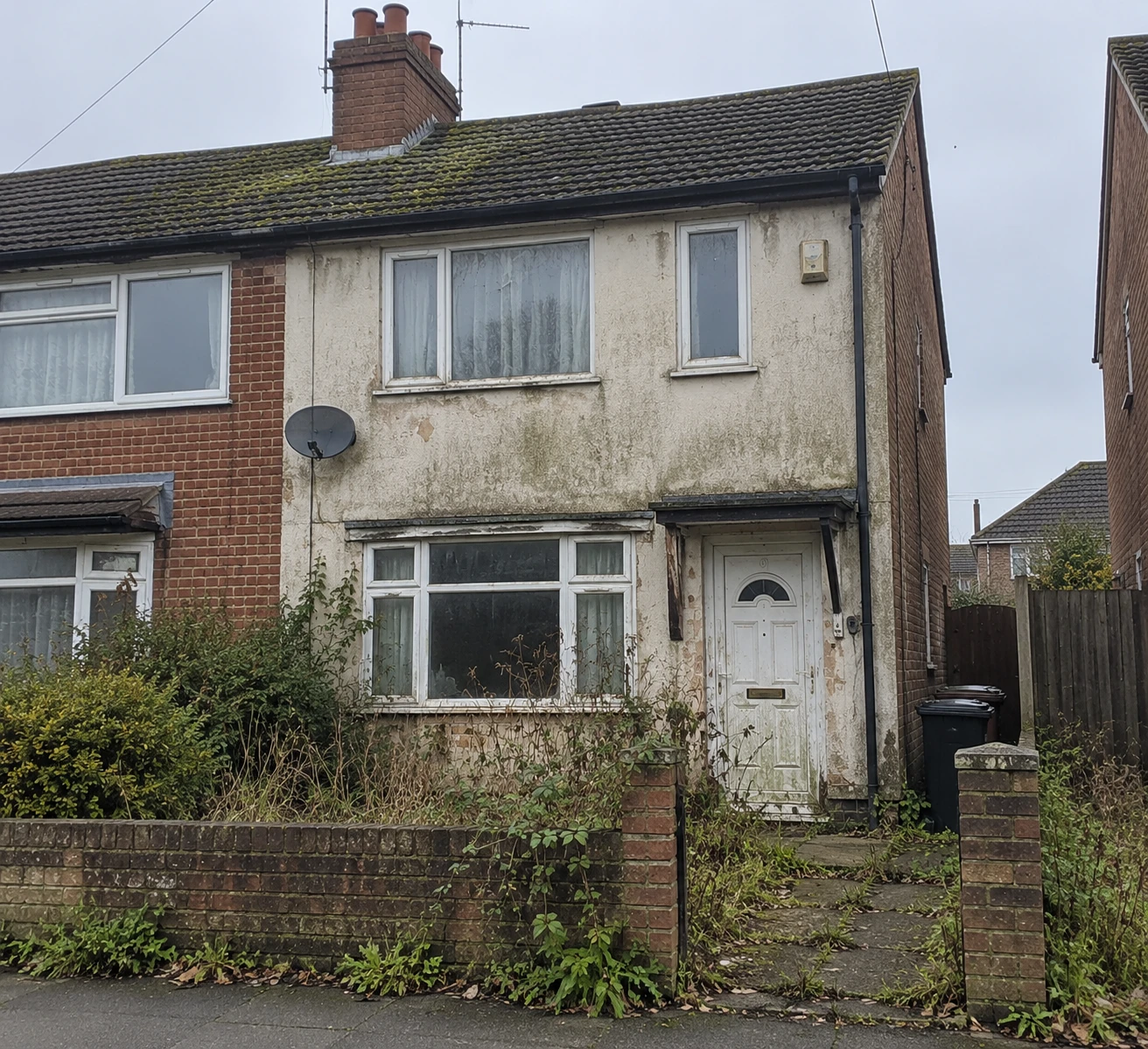
A London property empty for ten years, with all beneficiaries in Japan and no practical way to run a UK sale. Augusta completed within weeks, so the beneficiaries received their money without managing a distressed sale from Tokyo.
London estate sold for beneficiaries in Japan: Read the full case study
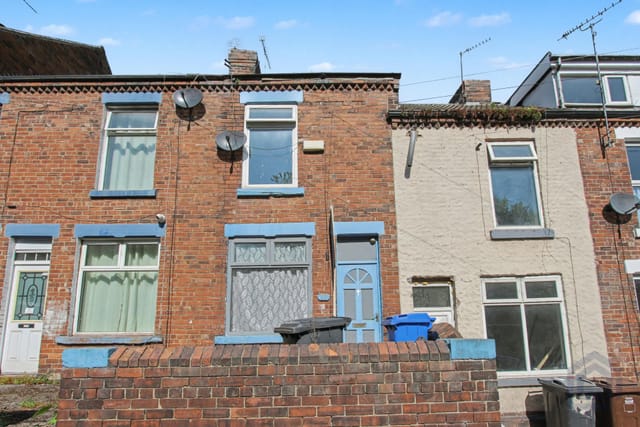
“After the auction failed and the property was broken into.”
- 7 days
- Completion
- £0
- Fees charged
A Manchester probate property that had failed at auction and then been broken into. Augusta bought it directly and completed the purchase in seven days, ending the executor's mounting security costs.
Manchester probate sale completed in 7 days: Read the full case study
“After fifteen months and three failed sales.”
- 2 weeks
- Completion
- £0
- Fees charged
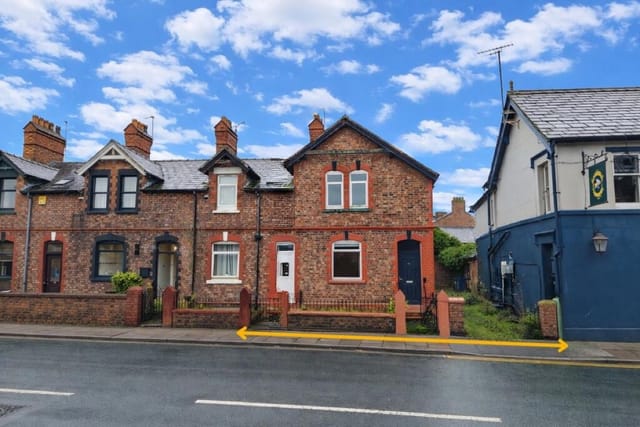
Fifteen months on the market and three collapsed sales, caused by a right of way dispute with the pub next door. Augusta bought the property in two weeks, resolved the dispute by formal legal easement, and sold it on to an end user.
Lancashire title dispute resolved after 3 failed sales: Read the full case study
FAQ
Frequently asked questions
These are the questions we are asked most often. The full list is in the probate property FAQ.
What does probate mean?
Probate is the legal process that gives an executor, or an administrator where there is no will, the authority to deal with someone's estate. The document granting that authority is called the grant of probate. Without it, banks, the Land Registry and buyers have no legal basis to deal with the estate's assets.
How long does probate take in the UK?
Probate usually takes 6 to 12 months for a typical estate, and longer where there is a property to sell. Getting the grant itself is only part of it: the estate still has to be valued, tax settled and assets distributed afterwards. A property that needs repair, has a title defect or sits in a chain will extend that timeline further.
What happens to property during probate?
The property stays part of the estate and remains the executor's responsibility. It still has to be insured, secured and maintained, and the estate still carries its running costs. Ownership does not move to beneficiaries or a buyer until the grant is issued and the transfer is completed.
What costs are associated with inherited property?
The recurring ones are empty-property insurance, council tax once the exemption ends, utilities, and maintenance. On top sit one-off costs: property clearance, any repairs needed to sell, conveyancing, and the estate's share of probate fees. Every month the property stands empty, the estate pays for it.
How much tax will I pay if I sell a house I inherited?
Only on the gain since the date of death, not on the sale price. Take the probate value and the costs of selling off what the property sells for, deduct the estate's £3,000 annual exempt amount, and personal representatives pay 24% on the rest. A house valued at £300,000 for probate and sold for £310,000 gains £10,000, which is roughly £1,680 of tax before selling costs.
What if beneficiaries disagree?
The executor still has authority to act, but pressing ahead through a real dispute rarely ends well. Mediation is usually faster and cheaper than a contested application, and independent legal advice protects the executor as much as the beneficiaries. A dispute recorded and handled properly is far less damaging than one ignored.
Stay informed
Stay informed
Most people reading these guides are not ready to make a decision, and there is no reason they should be. The alternative to talking is knowing when something changes.
Talk to us
Talk to us about your property
If you are managing a probate property and want to explore your options, we can help you understand the paths forward. You can request a call or speak to a specialist directly, there is no obligation.
Talk through your options