Executors
The risks of leaving an inherited property empty
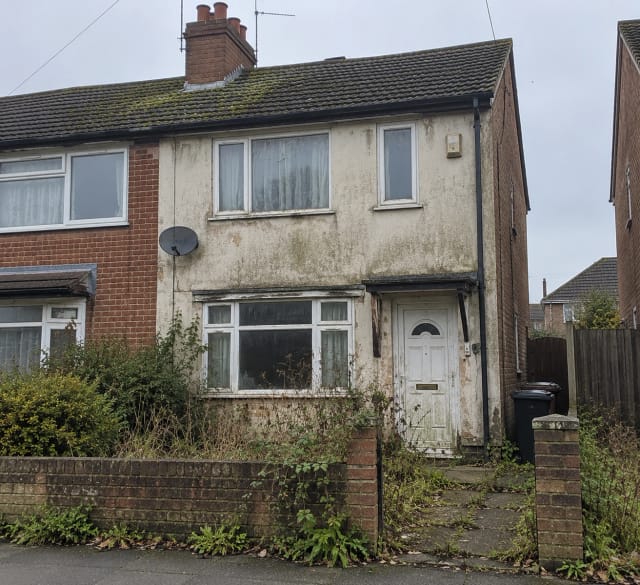
These are all reasonable considerations, but it is worth remembering that the property may remain empty for several months while the family decides how to proceed.
If the property is dated or needs repairs, it is understandable that families might want to explore whether carrying out improvements could help achieve a better sale price.
Some may consider redecorating or making relatively minor repairs, while others might be thinking about more substantial renovations. Where several beneficiaries are involved, reaching an agreement about how much to spend and what work should be carried out can also take time.
An empty property may need different insurance
One of the first things to establish is whether the existing buildings insurance remains suitable now that nobody is living at the property.
Many standard home insurance policies contain conditions relating to unoccupied properties. Depending on the insurer and the terms of the policy, certain types of cover may be restricted once a property has been empty for a specified period.
Some insurers apply additional conditions after 30 days, while others allow longer periods before restrictions take effect. There is no single rule that applies to every policy.
This is particularly important when a property has been inherited, as the existing insurance may have been arranged while the previous owner was living there.
Executors and administrators should therefore check what cover is currently in place and inform the insurer about any relevant changes in circumstances, including the death of the policyholder and the fact that the property is now unoccupied.
The insurer may require regular inspections, additional security measures or precautions to reduce the risk of damage from issues such as water leaks.
Establishing these requirements early can help avoid discovering that a claim is subject to restrictions after something has already gone wrong.
Renovation work can affect your insurance
If you are considering renovating an inherited property before selling it, the insurance arrangements deserve particular attention.
Having builders working at the house or family members visiting regularly does not necessarily mean that an insurer will consider the property occupied.
Substantial building work can also introduce additional risks that may not be covered under an existing home insurance policy.
Before arranging renovations, it is sensible to explain the proposed work to the insurer and confirm whether the current policy provides appropriate cover.
Depending on the nature of the renovations, additional or specialist insurance may be required.
This does not mean that renovating an inherited property should be avoided. It simply means that insurance needs to form part of the planning process, alongside the cost of the work and the potential effect on the property’s value.
The costs of keeping an inherited property empty
Insurance is not the only expense to consider while an inherited property remains unoccupied.
Even when nobody is living in the house, there may still be council tax, utility standing charges, insurance premiums and maintenance costs to pay.
Whether council tax is payable will depend on the circumstances of the estate, the property’s condition and the rules applied by the local authority. Some properties may qualify for an exemption during probate, although this should not be assumed.
There is also the practical responsibility of keeping the property secure and checking its condition regularly.
Problems such as water leaks, roof damage or damp can become more serious when a house is left unattended, particularly during colder months.
For executors managing an estate, these responsibilities can continue throughout the administration period and while decisions about the property’s future are being made.
If a family spends several months obtaining quotations, discussing renovations and arranging contractors, the cost of keeping the property during that period should be included when considering whether the proposed improvements are worthwhile.
Is it worth renovating an inherited property before selling?
Whether renovation makes financial sense will depend on the property’s condition, its location, the type of work required and what buyers are likely to pay once the improvements have been completed.
Some properties may benefit from relatively straightforward repairs or improvements, particularly where existing defects could discourage buyers or make it more difficult for them to obtain a mortgage.
In other cases, the cost of carrying out substantial renovations may outweigh the additional value they are likely to create.
A property that appears dated to one buyer may be attractive to another who would prefer to carry out improvements according to their own tastes and budget.
It is also worth considering how long the work is likely to take.
Renovations can involve obtaining quotations, appointing contractors, arranging access and dealing with unexpected problems once work begins. Where several beneficiaries are involved, agreeing on a budget and the extent of the improvements may add further delays.
During this time, the property will still need to be insured, maintained and managed.
For that reason, comparing the potential sale price before and after renovation is only part of the decision.
The more useful comparison is between what the property could realistically achieve in its current condition and the likely financial outcome after accounting for renovation costs, ongoing expenses and the time involved.
What should executors consider while deciding what to do?
Executors and administrators have responsibilities for managing estate assets during the administration process, including any property that forms part of the estate.
Where a house is unoccupied, it is sensible to establish what arrangements are in place to protect it while decisions about its future are being made.
This includes confirming that the insurance is appropriate, understanding any conditions imposed by the insurer and ensuring that someone is responsible for inspecting the property and dealing with maintenance issues.
If renovations are being considered, obtaining realistic quotations and understanding the likely timescales can help the beneficiaries assess whether the work is financially worthwhile.
It is equally useful to establish what the property could achieve if it were sold without carrying out those improvements.
Having that information available can make discussions between beneficiaries more productive and reduce the likelihood of committing money to work that may not provide a worthwhile return.
Selling an inherited property in its current condition
Renovating a property before selling it is not always necessary.
There are buyers who are willing to purchase houses that need modernisation, repairs or more substantial work, particularly where they intend to renovate the property themselves.
For some families, selling in the property’s existing condition may provide a more straightforward way to deal with the estate without taking on the cost and responsibility of managing renovations.
That does not necessarily mean accepting the first offer available or assuming that a property requiring work cannot achieve a reasonable price.
It is worth understanding the different selling options and how they compare before making a decision.
At Augusta, we assess inherited properties in their current condition, including houses that require substantial repairs or modernisation.
We can provide a written assessment of the property and the available selling options, helping executors and beneficiaries compare selling as it stands with investing in improvements beforehand.
Depending on the property and individual circumstances, this may include arranging a sale through trusted estate agents or providing a direct cash offer where the property qualifies.
Our aim is to help families understand what their property could achieve and what each selling approach would involve, so they can make a decision that suits their circumstances.
Making a decision with a clearer understanding of the costs
There is nothing inherently wrong with taking time to decide whether to renovate or sell an inherited property. In some cases, carefully chosen improvements may be worthwhile, while in others, selling the house in its existing condition may make better financial sense.
What matters is understanding the costs and responsibilities involved while the property remains empty, rather than allowing those considerations to be overlooked during the decision-making process.
Checking the insurance, establishing the likely cost of renovations and obtaining an assessment of the property’s current value can help families make a more informed decision.
If you have inherited a property and are unsure whether to renovate or sell, Augusta can help you explore the available selling options and understand what your property could achieve in its current condition.
What else has Augusta written?
Selling
Selling a probate property: why the highest valuation is not always the best outcome
When someone dies leaving a property behind, it will often be one of the most valuable assets in their estate. It can also be the asset that beneficiaries have the strongest views about.
Probate basics
My sister bought a house with our father. Does she inherit the whole property?
Property ownership does not always work that neatly, and having two names on the title does not, on its own, tell you everything you need to know.
Selling
What to do if you inherit a property you don’t want
Inheriting a property can appear straightforward at first, but in practice it often brings with it far more responsibility than people expect.